“How does this work? What do I get?”
Great question!
Let’s say you’ve written an article for your newsletter. Perhaps something like the one below:
Your newsletter is already doing the work. Your list is growing; you’re repurposing content for LinkedIn and pulling catchy hooks for X (right?)
But there is another level your newsletter can serve you.
Video.
Many newsletter creators know the value of a well-produced short (or several) but don’t include it in their production cycle.
Producing quality videos is a very different skillset than they are used to or have the time and energy to spend on.
However, with your writing already done, you’ve already done the hardest part.
Your newsletter gives you a leg up when it comes to pushing your ideas even further.
Are You Using Your Brain for Storage Instead of Processing?
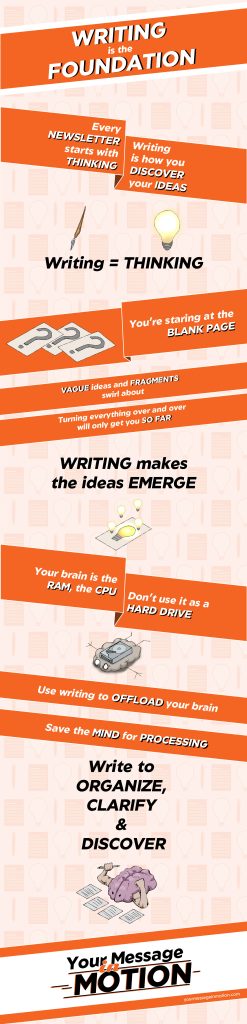
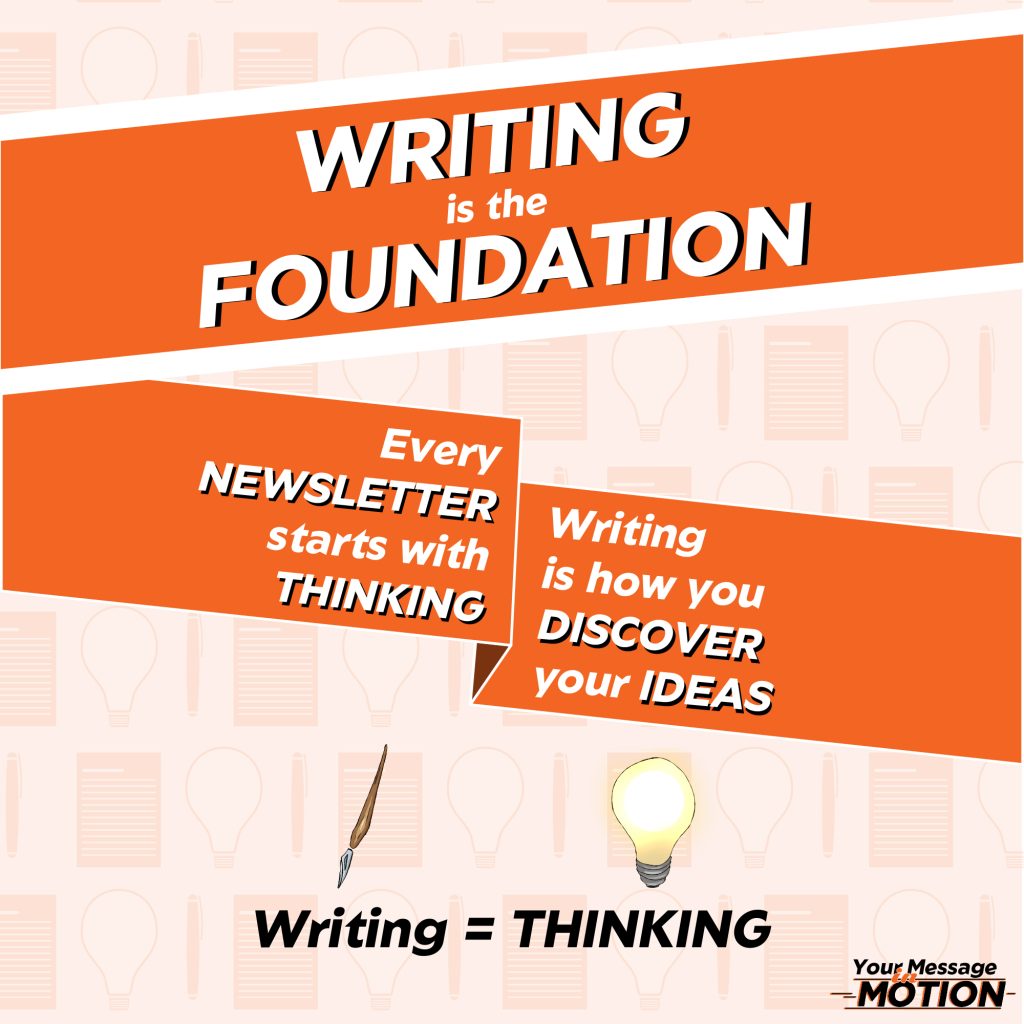
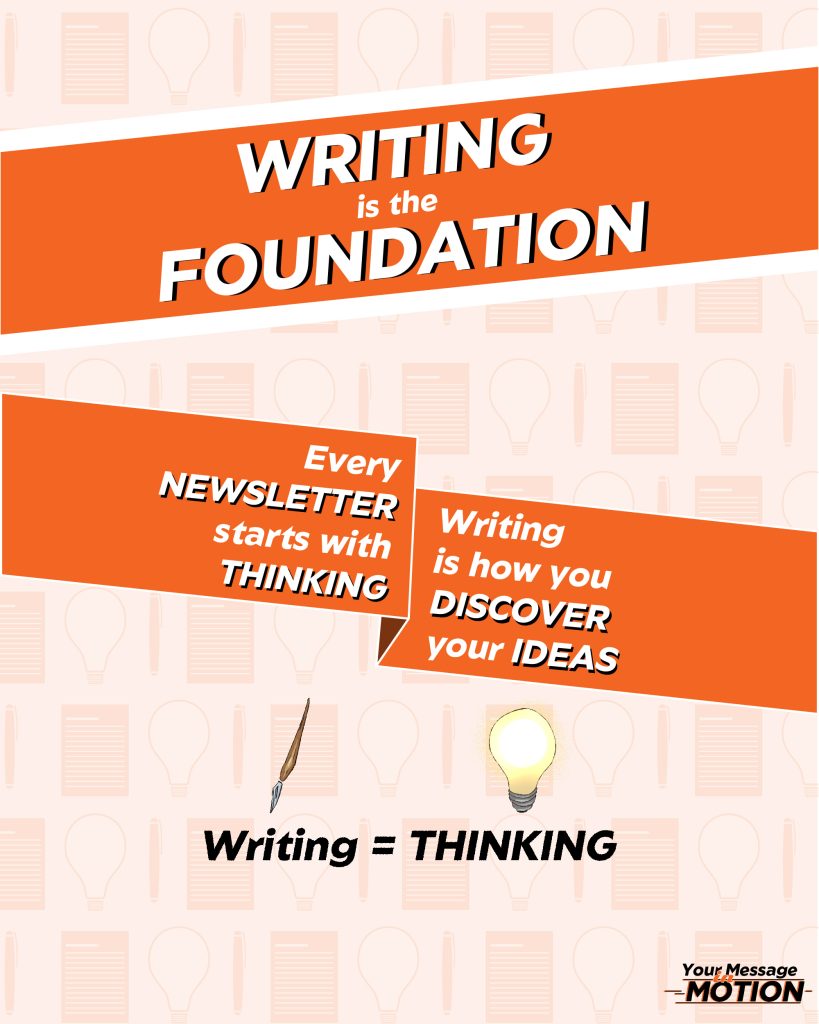
Every newsletter starts with thinking. Writing isn’t just for communicating your ideas; it’s how you discover them. One could say writing IS thinking (and many have.)
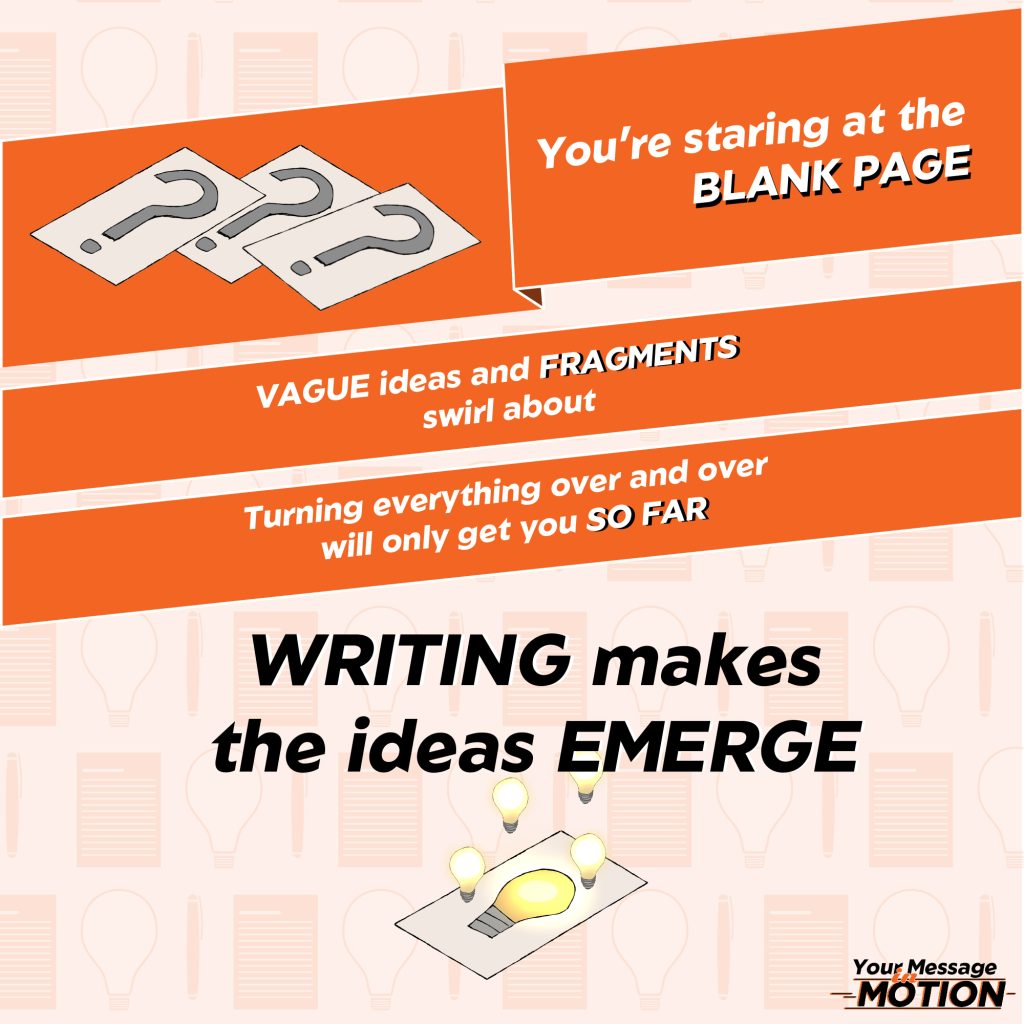
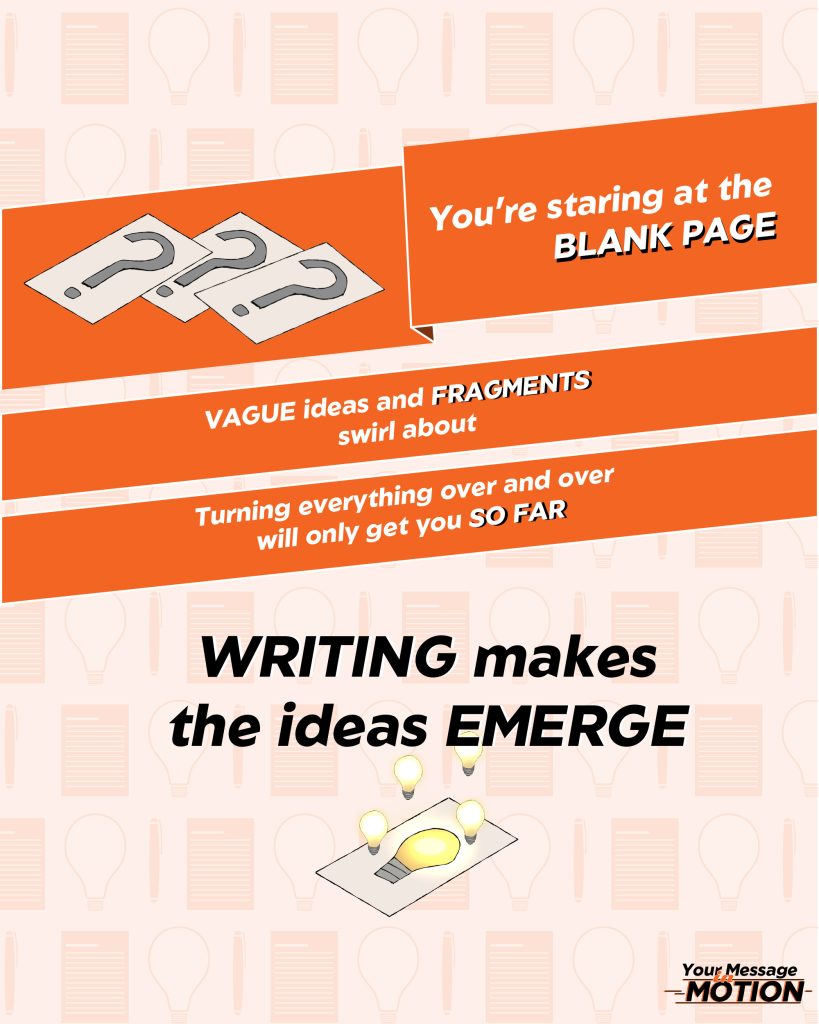
There you are, staring at the blank page, ideas and content you’ve consumed swirling about in your mind.
How do we even start?
You have the inkling of what you want to explore, but it’s still quite vague: fragments of interesting X posts, a creator’s newsletter from last week, maybe a few conversations bouncing around too.
These are all incredibly useful but won’t do much good just sitting in your brain. Turning them over and over in your mind will only get you so far. But writing will get your ideas to emerge.
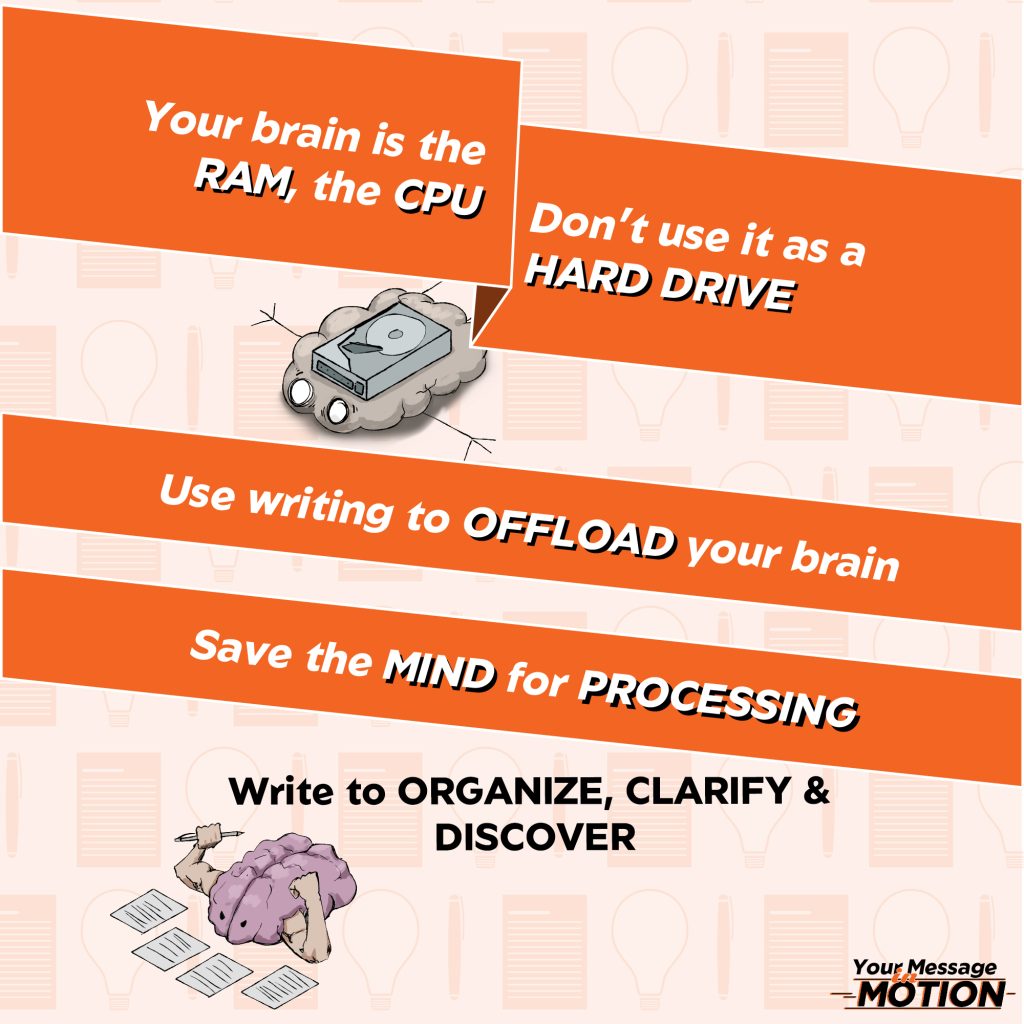
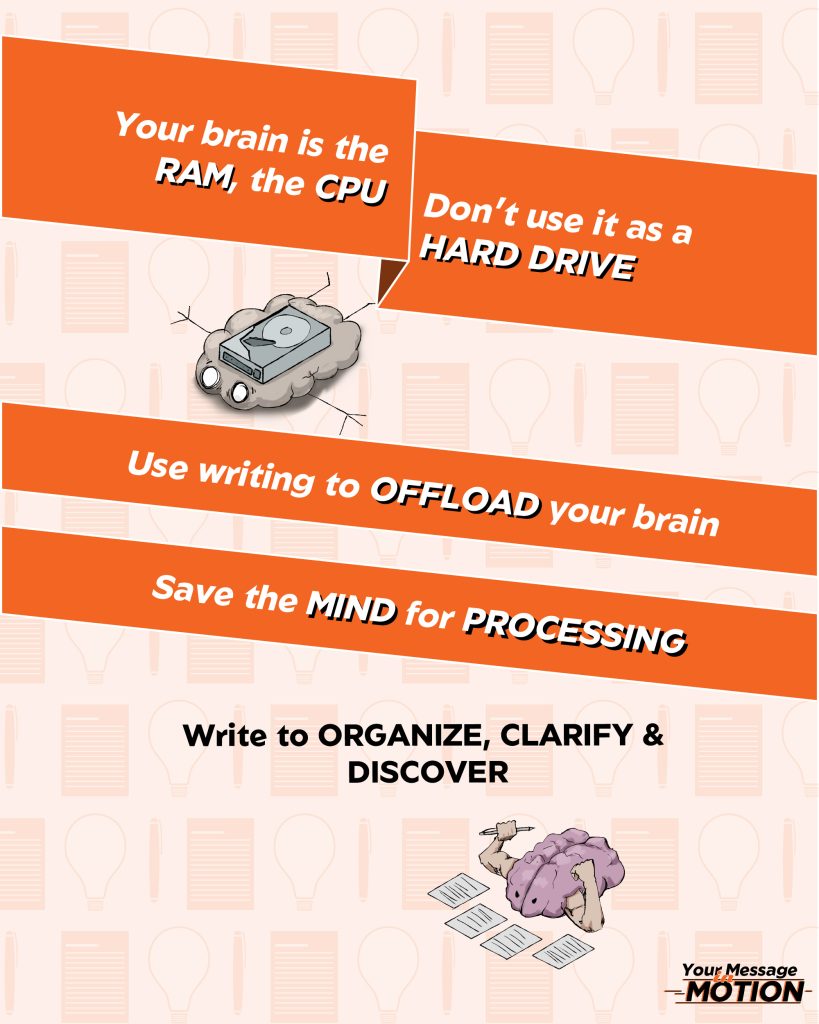
A metaphor that really stuck with me over the years (from Sean McCabe of seanwes, I believe) is to stop treating your brain as a hard drive.
The brain is meant to be used for processing, not storage.
How do you offload all the stuff you are storing in your brain?
Writing, of course.
Writing will allow you to use your brain for thinking; it will force you to get the ideas and inspiration down in the clearest way possible. Especially as you’ll want to get things as straightforward as possible for your future self.
Don’t waste your brain power on storage; get that data down and save the supercomputer in your head for the tasks it excels at!
What Happens to Your Best Ideas After You Hit Send?
Your idea has coalesced; you’ve got it down on the “paper.” It’s refined, smoothed and ready to go. At first glance, it’s your latest newsletter, ready to fly into the inboxes of your lucky readers.
Ready to make its mark on the world.
Now on to the next one!
Your latest newsletter hits the list.
Your eager audience gobbles it up.
The replies and sales start streaming in.
But the week comes to a close, and the newsletter starts to fall into the archive or, heavens forefend, the backlog of a reader’s “Newsletters” folder.
Was that it?
The destiny of your carefully packaged idea was to impact readers, then disappear into the aether?
Nay. Your newsletter is far more than a weekly deposit. You’ve actually built an incredibly valuable asset. Fuel for the engine of your business!
The idea is likely just as valuable as when it was first sent out.
A newsletter, though, is far more than a single event. You aren’t going to stop building a house once the foundation is poured, after all.
Your thoughtful newsletter isn’t just something you send out.
It’s something you build upon.
Treat each issue as an asset instead, and you will set yourself up for success on multiple fronts.
Are You Giving Your Best Ideas Enough Chances to Stick?
Don’t be afraid of repetition.
It takes multiple exposures for an idea to sink in. In fact, “The Rule of 7” is one of the earlier marketing observations that describes this phenomenon.
You experience this almost every day whenever a big movie release is coming up, for example.
You won’t just see a single trailer once or twice; you saw early teasers, several iterations of the full trailer, TV spots, cast and director interviews, promotional clips, posters, billboards, bus stop ads, etc., etc.
The studio obviously isn’t worried about repetition! (Though arguably overboard at times)
They really want you to remember at all times that the film exists.
If Spider-Man is constantly swinging around in your brain, the likelihood you’ll snag a ticket or hit that rent/buy link on your smart TV increases substantially.
While you aren’t a massive film studio like Disney, there are lessons to be drawn out here.
Repetition, as seen in a film’s marketing campaign, isn’t merely restating the exact thing over and over; it’s giving your idea multiple opportunities to stick.
Could One Idea Work in More Places Than You Think?
Repetition, in this sense, doesn’t necessarily mean saying the exact same thing over and over. Instead, think of it as expressing that same idea in different ways that follow your audience wherever they spend their time.
Your audience probably follows you all across your socials too.
While your subscribers no doubt relish the newsletter whenever it hits the inbox, many of them (if not the majority!) discovered you via your social channels.
They all encountered your ideas in different contexts.
A newsletter as a whole isn’t conducive to the fleeting nature of most social media platforms.
But using it as a base, fragments and takeaways can become shorts, quotes, infographics and much more that fit the various requirements or recommendations for each platform.
The idea will always be there; its expression can and should change.
Your newsletter sows the seeds for many potential conversations and opportunities
A single, well-developed issue can become an entire run or campaign of interesting touchpoints. All of them reinforce your newsletter’s core message while not feeling repetitive and monotonous.
And you’d be surprised at how many encounter a particular idea for the first time despite repeated posts!
Are Your Best Ideas Reaching all the People They Could?
Once your newsletter is done, you’ve already done the hard part.
That’s what one might think, anyway. Distribution encompasses a whole other skill set.
Writing a worthwhile newsletter takes a good amount of thought and creative energy.
By the time you’ve hit “Send Message,” you’ve put in a pile of mental effort.
It’s one thing to pull some X or Threads posts out of your newsletter but quite another if you want to reach your followers or potential new readers via LinkedIn, Instagram or YouTube.
Putting your best takes into scroll-stopping motion on visual-first platforms draws on other skillsets entirely. Now, you need to become a graphic designer, video editor, animator and whatever else is required to fill the gaps.
You don’t need to pull more ideas from each issue of the newsletter; instead, help the best ideas travel further.
Your ideas and message are just waiting to find new minds who are hungry for your perspective.
I’ve started Your Message in Motion to facilitate just this.
Not to create more ideas, but to help your best ideas break new ground and keep working long after your newsletter lands in the inbox.
You focus on what you do best, on what your audience keeps coming back for. Your thinking, writing and teaching.
Your Message in Motion will help your ideas go further.
Let Your Best Ideas Keep Working!
Writing is the foundation.
The part that draws the most creative energy.
This foundation you’ve carefully crafted is the perfect launching pad for the next step into short-form videos.
Keep your creativity doing what it does best: getting those ideas out there. And as you move on to the next issue, let the previous ideas keep working, growing and going further.
You already have the Message. Let’s put it in Motion!
What do the results look like?
Using the article above, the following videos and graphics were created from one section.
For each issue of your newsletter, you’ll receive five (5) sets of the following:
Video files (5 videos, 4 formats)
16:9 HD
4:5 for you LinkedIn posts
9:16 for those Tiktok videos, Instagram Reels & YouTube Shorts
And the 1:1 square to “round” it off.
Wait…
With the Premium Package
You’ll also receive a set of graphics for each of the 5 videos:
Square format for socials:
4:5 format for LinkedIn:
One full-size infographic (PDF) for each of the 5 videos: